Discuss a Project
Share your role needs — we’ll respond within 1 business day.
Let’s Discuss Your Project
Let’s Discuss Your Project
Define role, scope, standards, and timeline.
Brief
Weekly summary + escalation path.
Delivery cadence
Templates, naming, workflows, and access checklist.
Onboarding
Vetted shortlist delivered within 2–3 weeks.
Shortlist
Project decision
Acceptance
Priorities
Tasks
CLIENT
Discuss a Project
Operational coordination.
Onboarding playbook
Screening
GHR
HOW IT WORKS
HOW IT WORKS
Who does what
Who does what

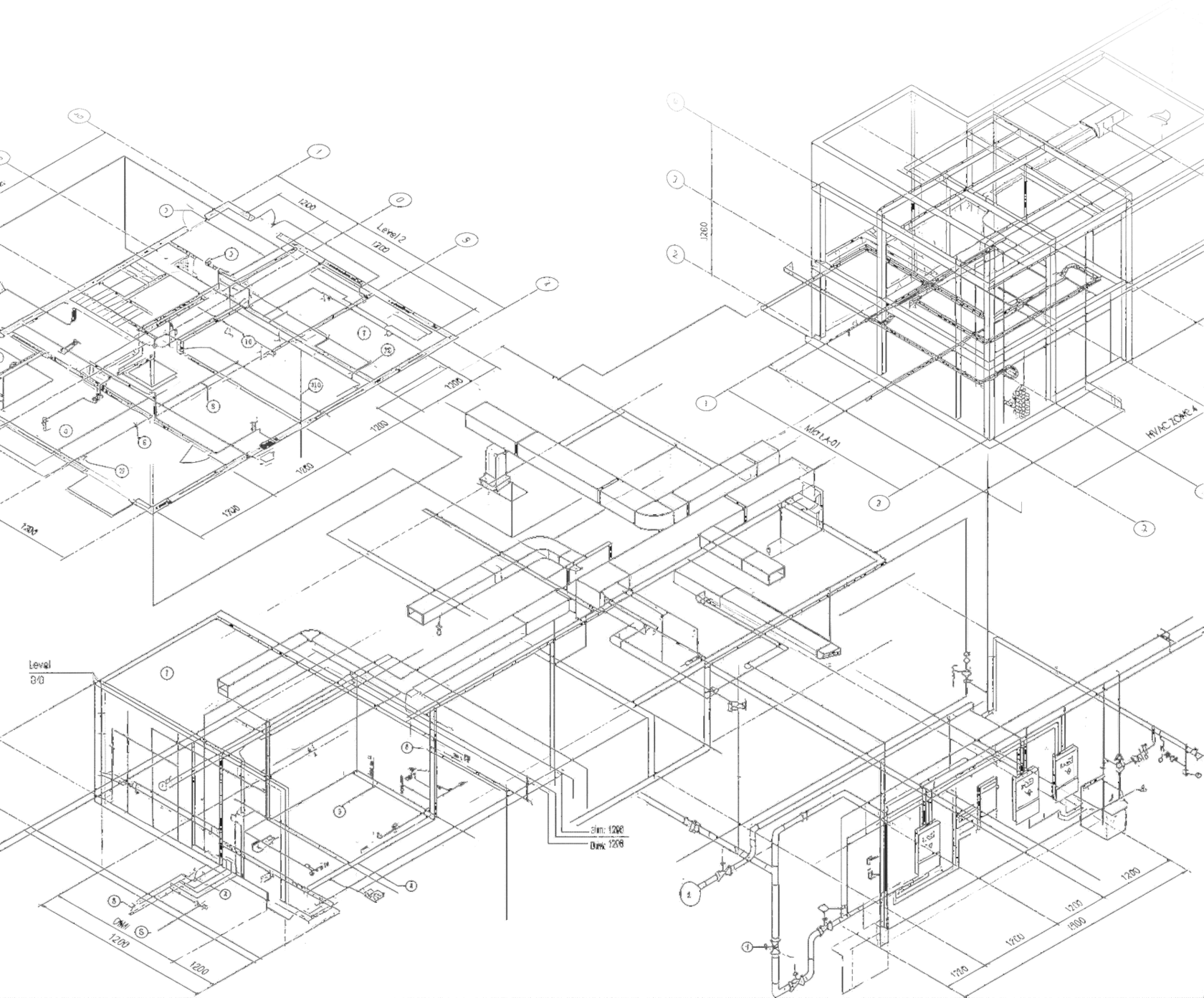
Senior Engineering Time Is the Real Bottleneck
Senior Engineering Time Is the Real Bottleneck
Why your slowest projects are a time problem, not a headcount problem.
GetGHR

Senior Engineering Time Is the Real Bottleneck
Senior Engineering Time Is the Real Bottleneck
Why your slowest projects are a time problem, not a headcount problem.
Key takeaway: Senior engineering time is the most constrained resource in any technical firm. When that time is consumed by production friction rather than technical judgment, delivery suffers at exactly the point in the project where it cannot afford to. Protecting that capacity is not an HR decision. It is an operational one.
GetGHR Engineering Group provides embedded production support that works inside your workflowandyour standards. If your senior technical team is consistently absorbing production load they should not be carrying, that is worth a conversation.
GetGHR Engineering Group provides embedded production support that works inside your workflowandyour standards. If your senior technical team is consistently absorbing production load they should not be carrying, that is worth a conversation.
| Hiring more production staff without protecting senior time often makes the bottleneck worse, not better.
| The bottleneck is almost never the work itself. It is where the work lands.
PROTECTING DELIVERY WITHOUT OVERHAULING YOUR OPERATION
The firms that solve this problem most effectively are not running different projects. They are running thesame projects with a clearer separation between technical judgment and technical execution. That separation is not always achievable with existing internal resources, particularly during peak loadperiods. When a firm's production capacity is outpaced by its project commitments, the gap usually gets filled by senior staff absorbing it. Which is how a firm with good engineers ends up with consistent delivery drag. Production support that integrates at the workflow level, works inside the firm's standards, and does not require senior engineers to manage it closely is not a staffing solution. It is a delivery protection mechanism.
THE CAPACITY PROBLEM YOU CANNOT HIRE YOUR WAY OUT OF
There is a structural reality in technical professional services: senior engineering time is finite and non- transferable. You cannot accelerate the development of a senior fire protection engineer by hiring twojunior ones. You cannot protect a discipline lead's capacity by adding a drafter to their teamwithout alsochanging what lands on their desk. The firms that manage this well do not just add headcount. They add the right kind of production support, integrated into the workflow in a way that reduces senior load rather than creating a new layer of management overhead. That distinction is not semantic. It is the difference between a project that delivers on schedule and onethat drags for the last six weeks while the senior engineer spends their evenings catching up on production that should have been handled downstream.
WHAT PROTECTED SENIOR TIME ACTUALLY LOOKS LIKE
Engineering firms that consistently hit delivery targets have one operational trait in common: their senior technical staff are insulated from production friction. Not from technical decisions. Not fromquality oversight. But from the production mechanics that consume capacity without requiring their expertise. That means:")
- Revit models that are set up correctly from the start, so senior engineers review content rather thanfix structure.
- Production outputs that arrive at the right stage, not early enough to require rework or late enoughto compress review time.
- Documentation that is executed to the firm's standard without senior staff needing to write it fromscratch.
- Coordination that is handled at the production level, with conflicts resolved before they land on a senior engineer's desk. This is not about removing senior engineers from the delivery process. It is about keeping themin it for the right reasons, at the right moments.
- Revit models that are set up correctly from the start, so senior engineers review content rather thanfix structure.
- Production outputs that arrive at the right stage, not early enough to require rework or late enoughto compress review time.
- Documentation that is executed to the firm's standard without senior staff needing to write it fromscratch.
- Coordination that is handled at the production level, with conflicts resolved before they land on a senior engineer's desk. This is not about removing senior engineers from the delivery process. It is about keeping themin it for the right reasons, at the right moments.
THE MISDIAGNOSIS THAT COSTS PROJECTS
When schedules slip, the instinct is to look at capacity. Not enough people on the project. Not enoughhours in the week. The solution proposed is usually a new hire, a contractor, or a request for more time. But the diagnosis is frequently wrong. The constraint is not total available hours. It is the type of hours available. More junior production staff without better workflow management pushes more coordinationwork back to the senior engineer. More contractors without embedded workflow integration creates anew layer of oversight that the senior engineer also has to manage. The problem compounds. The senior engineer gets more loaded, not less. The project slows further.
WHERE SENIOR TIME GOES
In most MEP and engineering design firms, senior technical staff carry a dual load: they are responsiblefor the quality of the technical output, and they are the ones producing it. That gap between responsibility and execution is where delivery pressure accumulates. On a straightforward commercial project, a senior engineer might spend two hours reviewing a Revit model that was set up incorrectly at the start. Another hour resolving coordination conflicts that shouldhave been caught in production. Another thirty minutes answering a question from a junior drafter whodid not have enough context to proceed without escalating. That is half a day. Not on engineering decisions. On production friction. Multiply that across a live project load of four to six concurrent commissions, and the math becomes a delivery problem that no additional hire resolves unless that hire relieves the right kind of load.
Engineering firms do not typically slow down because they run out of staff. They slow down because thepeople who carry the technical judgment the principals, the discipline leads, the senior engineers whoactually know the project get pulled into work that should not require them. Revision cycles. Coordination loops. Checking someone else's model. Answering the same productionquestion for the fourth time. Following up on deliverables that should have been issued two weeks ago. None of that requires senior engineering expertise. All of it consumes it.