Discuss a Project
Share your role needs — we’ll respond within 1 business day.
Let’s Discuss Your Project
Let’s Discuss Your Project
Define role, scope, standards, and timeline.
Brief
Weekly summary + escalation path.
Delivery cadence
Templates, naming, workflows, and access checklist.
Onboarding
Vetted shortlist delivered within 2–3 weeks.
Shortlist
Project decision
Acceptance
Priorities
Tasks
CLIENT
Discuss a Project
Operational coordination.
Onboarding playbook
Screening
GHR
HOW IT WORKS
HOW IT WORKS
Who does what
Who does what

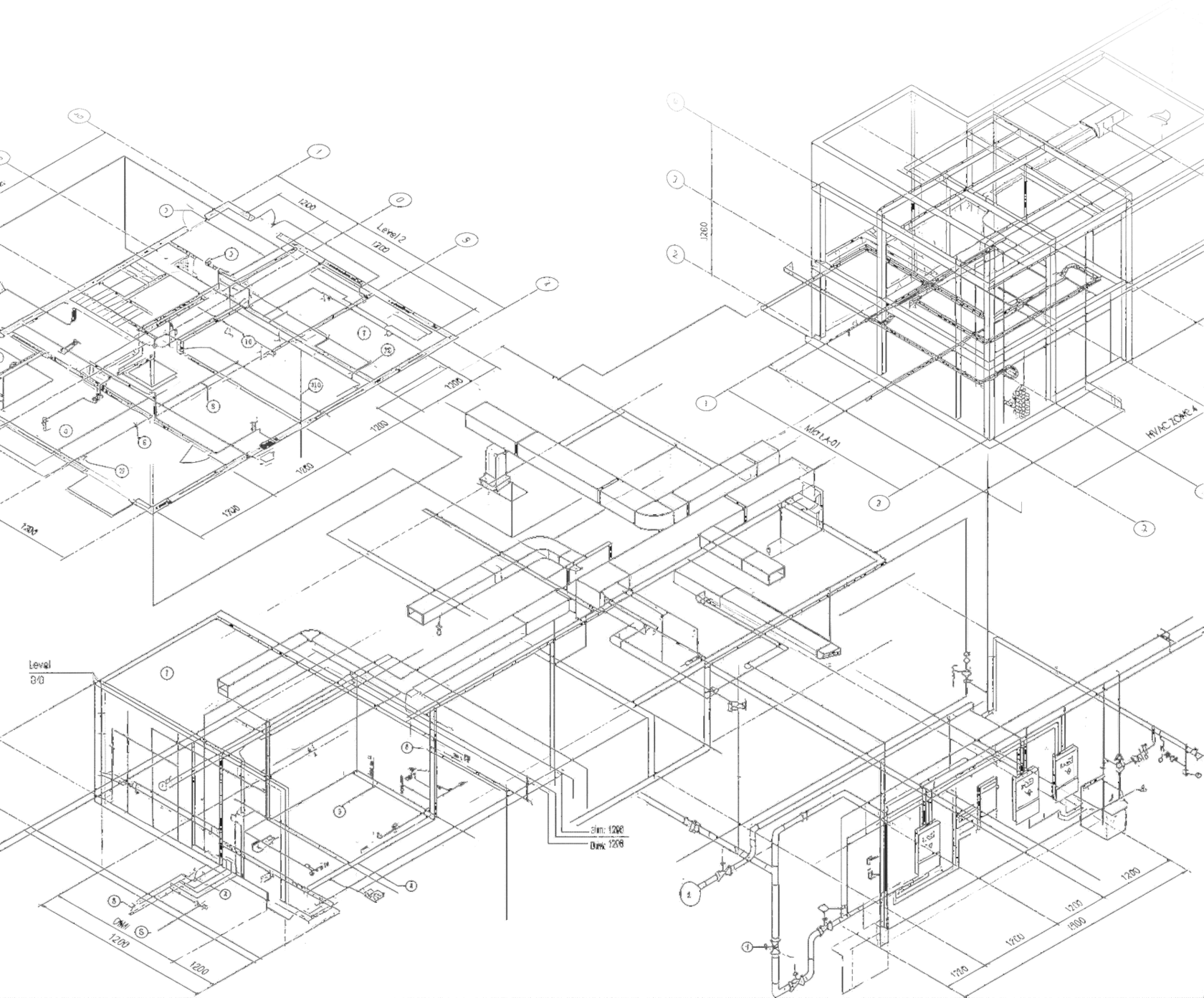
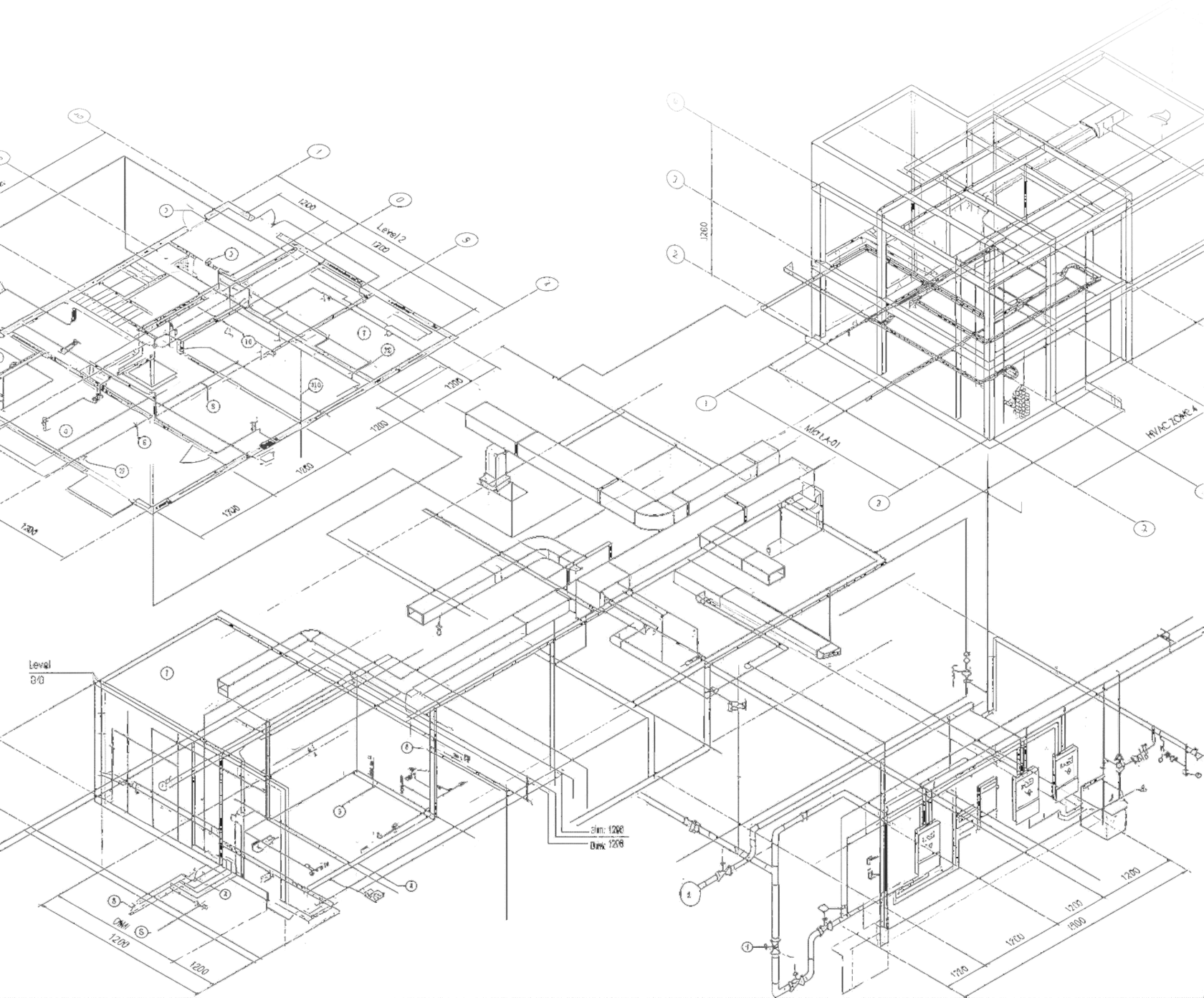
Coordination Risk Starts Long Before Construction
Coordination Risk Starts Long Before Construction
Most coordination failures are built into the model weeks before anyone finds them in the field
GetGHR

Coordination Risk Starts Long Before Construction
Coordination Risk Starts Long Before Construction
Most coordination failures are built into the model weeks before anyone finds them in the field
Key takeaway: Coordination risk is created in production, not in the field. The model that leaves your office determines the coordination exposure your client faces during construction. Production discipline around routing logic, LOD alignment, and federated model management is the upstream investment that controls downstream coordination cost.
GetGHR Engineering Group provides production-ready BIM coordination support built to work inside your project standards and delivery workflow. If your coordination review process is consistently discovering conflicts that should have been resolved in production, that upstream gap is worth addressing directly.
GetGHR Engineering Group provides production-ready BIM coordination support built to work inside your project standards and delivery workflow. If your coordination review process is consistently discovering conflicts that should have been resolved in production, that upstream gap is worth addressing directly.
| A coordination review against an under-developed model does not reduce risk. It documents the risk at whatever resolution the model was built to.
| The question is not how to resolve coordination conflicts in the field. It is how to stop building them into the model in the first place.
THE UPSTREAM INVESTMENT THAT REDUCES DOWNSTREAM COST
Coordination risk management in engineering design is fundamentally a production investment with a construction-phase return. Firms that invest in production coordination quality in model setup, routing logic discipline, and federated review at appropriate LOD carry significantly lower field coordination exposure than firms that treat coordination as a review-phase activity. The math is straightforward. An RFI that could have been prevented by a routing decision made upstreamcosts the project a minimum of administrative time plus contractor delay plus the design team's responseeffort plus any change order value that results. The upstream production hour that prevents it is a fraction of that cost. The challenge for engineering firms managing production under delivery pressure is that the upstreaminvestment is a present cost and the downstream risk is a contingent one. The coordination failure may not materialize. Or it may generate a change order that is three times the value of the production work that would have prevented it. The distribution is not symmetrical. And the firms that consistently deliver clean coordination models understand that asymmetry operationally, not just theoretically.
WHAT PRODUCTION-READY COORDINATION SUPPORT CHANGES
The firms that consistently produce clean coordination models have built the coordination logic into their production process rather than their review process. That means:
- Model setup that federates reference geometry from all disciplines before primary routing decisions are made.
- Production coordination checkpoints at system layout stage, not only at the formal coordinationreview stage.
- Routing development that explicitly maps against ceiling zone commitments, structural clearances, and penetration coordination requirements.
- Documentation discipline that carries actual modeled geometry into construction documents, reducing contractor interpretation exposure. This is a workflow design question as much as a technical one. The production team needs to understandwhat they are coordinating against, and at what resolution, before they begin building the system. That requires both technical competence and structured workflow integration.
- Model setup that federates reference geometry from all disciplines before primary routing decisions are made.
- Production coordination checkpoints at system layout stage, not only at the formal coordinationreview stage.
- Routing development that explicitly maps against ceiling zone commitments, structural clearances, and penetration coordination requirements.
- Documentation discipline that carries actual modeled geometry into construction documents, reducing contractor interpretation exposure. This is a workflow design question as much as a technical one. The production team needs to understandwhat they are coordinating against, and at what resolution, before they begin building the system. That requires both technical competence and structured workflow integration.
ROUTING LOGIC AS A PRODUCTION DISCIPLINE
The difference between a model that coordinates cleanly and one that generates significant field conflict is often not complexity. It is whether the production team building the model understood the routing logic constraints before they began modeling. Routing logic in MEP production includes the spatial hierarchy of systems in a given ceiling or plenumzone, the clearance requirements for primary distribution versus branch runs, the coordination sequencebetween disciplines at penetration points, and the downstream effect of upstream equipment locationdecisions on maintainable routing paths. When the production team has sufficient technical grounding to work within those constraints fromthestart of modeling, the model is built coordinated. When those constraints are treated as a review-phaseproblem rather than a production-phase consideration, conflicts are systematically built into the model and systematically discovered downstream. The correction process at that point is expensive relative to prevention. A routing conflict that takes thirtyminutes to avoid in production takes several hours to resolve in coordination review, and potentially days to resolve in the field.
THE LOD PROBLEM IN PRODUCTION COORDINATION
One of the consistent structural issues in coordination failures is the gap between the level of model development at which coordination is reviewed and the level at which real conflicts become visible. A coordination review conducted at LOD 300 against a structural model at LOD 200 will not surface conflicts that exist at the intersection of detailed routing and actual structural member geometry. It will appear clean. The model will appear coordinated. The field will prove otherwise.
This is not a failure of the review process. It is a failure of the production process that delivered a model to coordination review at an inappropriate level of development. Coordination can only resolve what themodel makes visible. If the model is not built to the resolution required for the conflicts to appear, thereview provides false confidence rather than risk reduction.
This is not a failure of the review process. It is a failure of the production process that delivered a model to coordination review at an inappropriate level of development. Coordination can only resolve what themodel makes visible. If the model is not built to the resolution required for the conflicts to appear, thereview provides false confidence rather than risk reduction.
WHERE COORDINATION RISK IS ACTUALLY CREATED
Coordination risk in MEP and building services design does not originate in the construction phase. It originates in the production phase, in decisions that are made or deferred during model setup, systemlayout, and routing development. The most common upstream sources of downstream coordination conflict include:
- Routing assumptions that do not account for structural zone constraints established by the structural model at a different level of development.
- Duct and pipe runs that are sized and routed in isolation without reference to the ceiling plenumspace committed to by other disciplines.
- Equipment placement decisions made at schematic stage that are not updated when architectural or structural changes reduce the available installation envelope.
- System zoning logic that creates chase and shaft routing conflicts visible only when all discipline models are federated at sufficient LOD.
- Documentation that reflects design intent rather than buildable geometry, leaving contractors toresolve routing conflicts during installation. Each of these is a production decision or a production omission. None of them requires a field conditionto exist. All of them produce field conditions if they are not resolved upstream.
- Routing assumptions that do not account for structural zone constraints established by the structural model at a different level of development.
- Duct and pipe runs that are sized and routed in isolation without reference to the ceiling plenumspace committed to by other disciplines.
- Equipment placement decisions made at schematic stage that are not updated when architectural or structural changes reduce the available installation envelope.
- System zoning logic that creates chase and shaft routing conflicts visible only when all discipline models are federated at sufficient LOD.
- Documentation that reflects design intent rather than buildable geometry, leaving contractors toresolve routing conflicts during installation. Each of these is a production decision or a production omission. None of them requires a field conditionto exist. All of them produce field conditions if they are not resolved upstream.
Field coordination failures are expensive, visible, and well-documented. They generate RFIs, delays, change orders, and difficult conversations with contractors and owners. They are also, in most cases, entirely predictable from the state of the production model weeks before the first trade sets foot on site. The relationship between production model quality and field coordination performance is not theoretical. In the vast majority of coordination failures, the conflict was present in the model before the constructiondocuments were issued. It was not caught because the coordination review process either did not reachthat level of resolution, or the production model was not built with the routing logic and spatial assumptions that would have made the conflict visible.